GEO Expert Witness · Scott Steinberg

Generative Engine Optimization Expert Witness (GEO)

Scott Steinberg is a testifying and consulting generative engine optimization on matters like how commercial content operations build, review, document and account for work produced with generative AI systems. Twenty-five years inside marketing and content practice, and more than 3,000 brands advised, inform how he works as a top generative engine optimization expert witness with counsel.

Expert reports, declarations, deposition and trial testimony covering content production and provenance, editorial review and approval workflow, labeling practice, scaled and programmatic publishing, prompt systems and proprietary process, tooling rights, synthetic media in marketing, output capture methodology and program performance representations. Engagements are accepted from either side, and the analysis is conducted the same way in each.

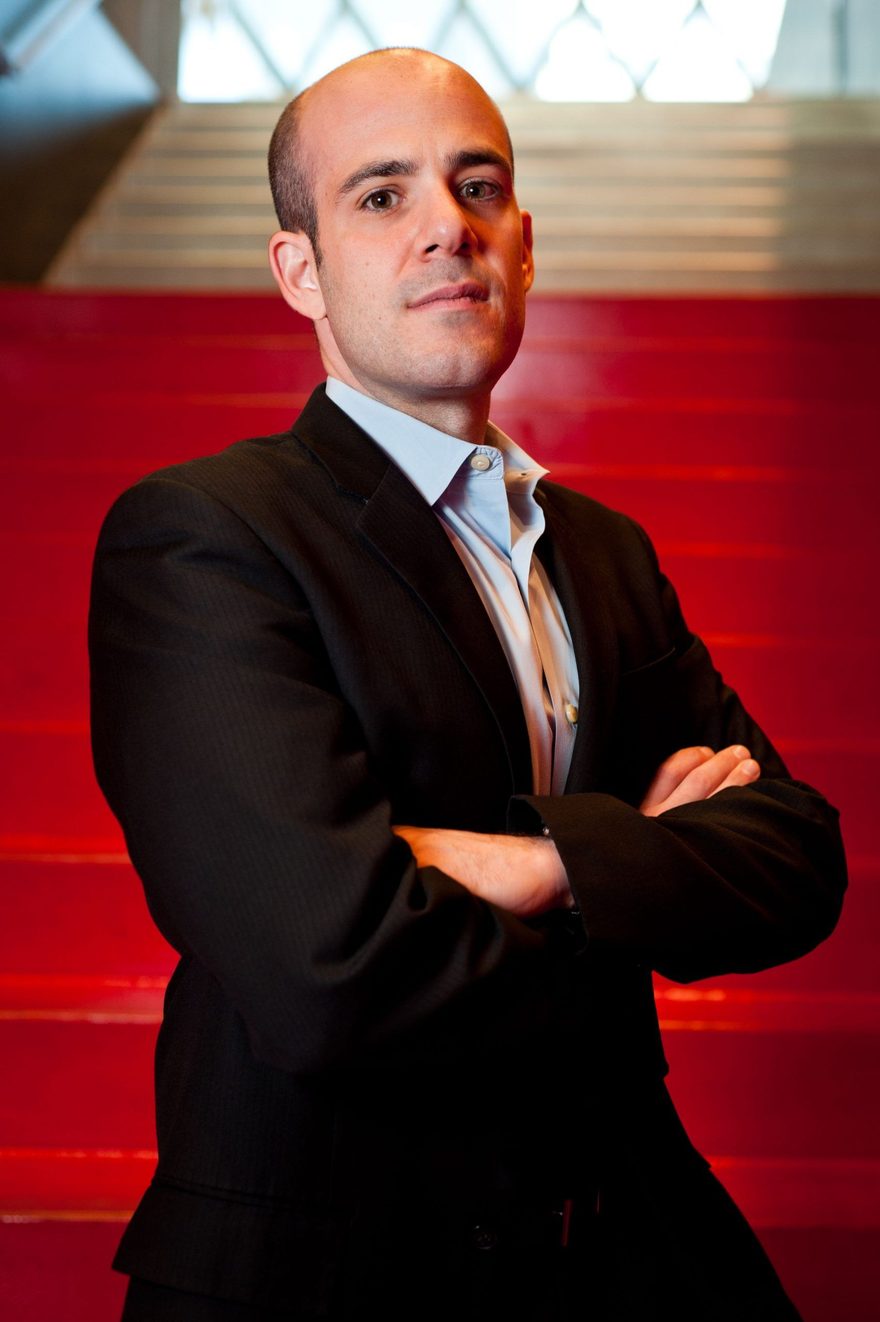
Scott Steinberg, generative engine optimization expert witness and content strategy analyst
Scott Steinberg — GEO expert witness, analyst and content strategy consultant.
3,000+
Businesses, startups, governments and Fortune 500 companies advised
25 years
Management, corporate governance and strategic consulting experience
30+
Books published on technology, marketing, business and innovation
5,000+
Published articles as seen in USA Today, CNN, ABC, NBC and the TODAY Show

Types of GEO Expert Witness Practice Areas

Matters where law firms find and hire a global generative engine optimization expert witness tend to resolve into one question asked many ways: what does the record of the work itself show, and how does it compare to the way competent operations ran at the time. Below you'll find typical claims under which each area most often arises.

Contract · professional practice

Report, deposition, trial

Content production and provenance

A big question in generative engine optimization expert witness matters is how a particular asset came to exist: which tools were involved, at what stage, and what part human authorship played. Testimony addresses what the production record establishes about origin and authorship, which artifacts in a normal workflow would carry that evidence, and how the documented process compares to the way comparable teams worked at the relevant time.

Related AI content provenance expert witness, authorship and contribution analysis, generative tooling in production, drafting and revision history, content origin determination.

Breach of contract · standard of practice

Report, deposition, trial

Editorial review and approval workflow

Material produced with generative assistance passes through review before it is published, and the nature of that review is what separates one operation from another. Work by any given generative engine optimization expert witness establishes the review, fact-checking, legal sign-off and escalation steps a competent operation of comparable scale maintained, and what the workflow records show was actually applied to the material at issue.

Related editorial workflow expert witness, human-in-the-loop review practice, approval and sign-off records, fact-checking standards, publishing controls.

FTC Act §5 · platform guidelines

Report, deposition, trial

Labeling practice in content operations

Publishers and marketing teams adopt conventions for indicating when material was produced with generative assistance, informed by platform requirements and regulator guidance. Research hits on what those published conventions provided at the relevant time, how practitioners read and applied them to their own output, and what the operation at issue adopted and recorded.

Related AI labeling expert witness, generated content conventions, platform content requirements, publisher labeling policy, internal usage standards.

Contract · unfair competition

Report, deposition, trial

Scaled and programmatic publishing

Generative tooling lets a team publish at volumes conventional staffing never supported, which puts templating, data sourcing and quality control at the center of several dispute types. Your average generative engine optimization expert witness considers how the publishing program was architected, what quality controls operated at that volume, and how the approach compares to practice among operations running comparable programs.

Related programmatic content expert witness, templated page generation, content velocity practice, data-driven publishing, quality control at volume.

DTSA · state UTSA · employee mobility

Report, deposition, trial

Prompt systems and proprietary process

Teams describe prompt libraries, system instructions, retrieval configurations and orchestration workflows as proprietary assets. Reports by leading generative engine optimization expert witness providers touch on which elements of such a system were generally known in the field at the relevant time, what an experienced practitioner's ordinary working setup contained, and how the material asserted here compares to that baseline.

Related prompt library trade secret expert witness, system instruction claims, orchestration workflow, generally known practice, independent development, departing employee matters.

Licensing · terms of service · warranty

Report, deposition, trial

Tooling rights and permitted use

Commercial generative tools arrive with license terms covering permitted use, ownership of output, data handling and the warranties a vendor offers. Testifying looks at what the governing terms provided and when they changed, how buyers in the field read and operationalized them, and what the deployment record shows about the use actually made of the tool.

Related generative tooling license expert witness, output ownership terms, vendor warranty and indemnity practice, enterprise deployment records, terms change history.

Right of publicity · false endorsement

Report, deposition, trial

Synthetic media in commercial communication

Generated imagery, voice and video now appear in advertising, product pages, training material and social campaigns. An SME and KOL contemplates how synthetic assets are commissioned and cleared in commercial practice, what documentation accompanies them through a normal production chain, and what the record establishes about a particular asset's creation and approval.

Related synthetic media expert witness, generated imagery in advertising, voice and likeness clearance practice, digital double production, campaign asset documentation.

Evidence methodology · expert challenge

Report, deposition, rebuttal

Output capture, versioning and reproducibility

Generative systems produce varying output across runs, accounts and model versions, so the method used to capture an output largely determines what it can establish. Research reviews sound capture protocol, the conditions worth recording alongside a result, how version and configuration changes bear on comparability, and whether an analysis in the record was constructed on a repeatable basis.

Related generative output capture expert witness, reproducibility protocol, model version comparability, sampling design, configuration documentation, output logging.

Lanham Act §43(a) · misrepresentation

Report, deposition, rebuttal

Program performance representations

Teams and vendors describe what a generative content program delivered, and those descriptions rest on testing and reporting the parties later examine closely. Testimony accounts for what the program's own testing and reporting supported, how results were defined and benchmarked, and how the representations compare to what the underlying record substantiates.

Related content program performance expert witness, results representation, benchmark and metric definition, internal testing design, reporting construction.

Ownership · clearance · indemnity

Report, deposition, trial

Rights clearance practice in generative work

Before generative material ships, a competent operation clears the rights attached to it and records that it did so. A report reviews the clearance steps content and marketing organizations ordinarily run for generative assets, the documentation that accompanies a cleared asset, and what the record shows about the process applied to the work at issue.

Related rights clearance expert witness, asset clearance documentation, generative asset release practice, vendor warranty reliance, content approval chain.

Sample Subject Matter Areas Covered

Matters draw on the working vocabulary of generative content practice. These areas recur across engagements and often appear together in a single dispute.

  • Generative content tooling
  • Prompt libraries and templates
  • System instructions and configuration
  • Retrieval and grounding setup
  • Content pipelines and orchestration
  • Human-in-the-loop review
  • AI content classifiers and detection
  • Programmatic page generation
  • Publishing cadence and volume
  • Synthetic imagery, voice and video
  • Model and product version history
  • Output logging and capture protocol
  • Tool licensing and output rights
  • Internal AI usage policy
  • Editorial standards for generated material
  • Brand voice and style enforcement
  • Localization and translation at scale
  • Content governance documentation

Find and Hire a Top Generative Engine Optimization Expert Witness

Typically generative workflows leave their evidence in places conventional content work does not, which makes an early read on where that evidence lives unusually valuable.

Expert reports and declarations

Written opinions on production and provenance, on review and clearance workflow, and on the soundness of capture protocols and performance testing.

Deposition and trial testimony

Testimony explaining how generative content operations work, what the production record establishes, and how the practice at issue compares to the field.

Rebuttal and methodology review

Responsive analysis of how an opposing expert captured output, defined comparability across versions, built a sample and drew inferences from it.

Consulting-only support

Non-testifying assessment, industry background for counsel, review of workflow and tooling records, and preparation of examination lines without a disclosed opinion.

Early case assessment

A read on what the available production record is likely to establish, and which workflow artifacts repay the effort of pursuing them in discovery.

Discovery scoping and preservation

Guidance on the tool logs, workflow exports, version histories, policy documents and vendor records worth requesting, and a sensible order for seeking them.

Frequently Asked Questions (FAQ): Working with Counsel

The practical points counsel usually raise first, set out here.

ConflictsA check is run before any substantive discussion of the matter. Party names and a one-line description are enough to begin it.
Initial conversationScope, timing and conflicts are discussed without charge. Useful detail includes the posture, the claims pleaded and any disclosure deadline on the calendar.
Retaining partyPlaintiff and defense engagements are both welcome, as are claimant and respondent engagements in arbitration. Posture does not change how the work is done.
PreservationGenerative tool logs, prompt histories, workflow exports and version records often sit in vendor platforms on retention schedules of their own, so identifying them early pays off.
Materials that helpContent management and workflow exports, tool and account logs, prompt and configuration records, internal AI usage policy, vendor agreements and terms, approval and clearance documentation, and published output with its revision history.
JurisdictionsMatters taken across the United States and internationally, in state and federal court and before arbitral tribunals.
Testimony formatDepositions and trial appearances are given in person or by remote connection, as the court and the parties arrange.
Confidential materialMaterial is reviewed subject to the protective order in place and handled on the terms it sets. Privileged detail is best held back until the check clears.
Fees and termsHourly, set in a written engagement agreement covering rates for review, report preparation, deposition and trial, together with travel terms.

Where this practice fits

This practice addresses myriad sample areas like commercial content operation: how generative work was produced, reviewed, labeled, cleared, documented and described. Model-level questions about how a system was built, trained and evaluated are handled on a separate practice, as are enterprise AI procurement and governance, consumer AI product claims, advertising claim substantiation, and visibility and attribution inside AI-generated answers. Legal conclusions are the court's to draw, and testimony is scoped with that in mind.

Several adjacent specialists complement this work, and matters often use them together. Counsel who say early which other experts are retained generally get a cleaner division of labor and a tighter report.

Biography

Scott Steinberg is an analyst, consultant and business trends expert with over 25 years of experience providing management and strategic consulting services to more than 3,000 businesses and brands ranging from startups to government agencies and Fortune 500 firms.

He has testified in sample areas including intellectual property — copyrights, trademarks and patents — patent infringement, marketing, branding, video games, mobile applications, consumer product development, and the growth and monetization of online distribution platforms.

He is the author of over 30 books and has published more than five thousand articles addressing areas including but not limited to marketing, technology, leadership, innovation, advertising, digital transformation, data privacy and social networks. He appears regularly on ABC, CBS, CNN and NBC, and has led seminars and training programs for organizations including Wells Fargo, the PGA Tour, Century 21, Ford, Dell and Procter & Gamble.

His consulting work has been broadly recognized. He has served as a thought leader for the American Bar Association and Corporate Counsel magazine, and has received honors from the International Association for Scholastic Excellence, Fortune, and the 21st Century Icon Awards, among others.

Common Questions from Counsel

What is a generative engine optimization expert witness?

A generative engine optimization expert witness is (generally speaking) a testifying consultant who addresses how a commercial content operation produced, reviewed, labeled, cleared and documented work created with generative AI systems, and how that practice compares to the field at the relevant time. The work covers areas like production and provenance, editorial workflow, scaled publishing, prompt systems, tooling rights, synthetic media, output capture methodology and program performance representations.

What is generative engine optimization?

Generative engine optimization, usually shortened to GEO, is the practice of building content, data and technical signals so that generative AI systems represent a business accurately when they compose responses. The term comes from research on optimizing source material for systems that synthesize rather than rank, and in commercial use it has broadened to cover the whole content operation that supports it, including how material is produced, reviewed and documented.

What is the difference between GEO and AEO?

The two terms describe overlapping work from different angles. Generative engine optimization centers on the generative layer itself: how content is produced, instructed, reviewed and documented for systems that compose answers. Answer engine optimization centers on the outcome: whether a business is surfaced, described and credited accurately in the answers users receive. Practitioners use the terms interchangeably at times, and a single matter frequently touches both.

How does this differ from a machine learning expert?

A machine learning expert addresses how a model itself was built, trained, evaluated and maintained. This practice addresses the commercial content operation that sits on top of such systems: the tools a team selected, the instructions it wrote, the review it ran, the labels it applied, the rights it cleared and the records it kept. Matters involving both are common, and the two analyses sit comfortably side by side.

Will an expert offer an opinion that conduct was unlawful?

That conclusion belongs to the court. An expert supplies the factual and industry inputs: what the production and workflow records establish, what tools and configurations were in use, what review and clearance steps ran, what representations were made about the program, and how each of those compares to the practice of the field at the time.

Which disputes does this practice take?

Breach of contract and misrepresentation claims arising from generative content programs, trade secret claims over prompt systems and workflows, licensing and warranty disputes over generative tooling, Lanham Act and consumer protection claims involving program performance representations, right of publicity and false endorsement claims involving synthetic media, and methodology challenges to how generative output was captured and analyzed.

How is AI-generated material identified in a record?

Through the production record rather than through a verdict from a detection tool, which is why workflow evidence matters so much. Tool and account logs, prompt and configuration histories, content management revision trails, draft timestamps, vendor platform exports and internal policy documents together establish far more about how a given asset was made than any single artifact examined on its own.

Can generative output be reproduced for a matter?

Output varies between runs, accounts and model versions, so reproduction is approached as a documented protocol rather than a single attempt. A sound protocol records the exact inputs, the configuration and account conditions, the product and model version, the time and time zone, and repeats the run enough times to characterize the range of results, with every attempt preserved rather than only the representative one.

Which side are engagements accepted from?

Both. Plaintiff and defense retentions are equally welcome, as are claimant and respondent engagements in arbitration. The method is identical regardless of who retains it, and that consistency is what gives the resulting opinion its value.

Is a non-testifying engagement available?

Yes. Consulting-only work covers assessment of a matter, industry background for the team, review of workflow and tooling records, discovery scoping, preparation of examination lines and critique of an opposing expert's approach, all without a disclosed opinion or appearance.

Which materials help most at the outset?

Content management and workflow exports, generative tool and account logs, prompt and configuration records, internal AI usage policy, vendor agreements and the terms in force at the relevant time, approval and clearance documentation, and the published output together with its revision history. What these show tends to shape the rest of discovery.

How do we open a conversation?

Write to info@futuristsspeakers.com or call 202-301-6730 with the party names, a one-line description, the posture of the matter and any disclosure deadline on the calendar. Scope, timing and conflicts are discussed without charge.
Discuss a matter

Scope, timing and conflicts are discussed without charge. Useful detail includes the claims pleaded, the posture of the matter and any expert disclosure deadline already on the calendar.

Email about a matter

Telephone
202-301-6730
Availability
Engagements accepted nationwide and internationally
Engagement types
Testifying and consulting-only

Before you send case detail

A conflicts check is run before any substantive discussion. An initial note listing the party names and a one-line description of the dispute is enough to start; please hold privileged or confidential material until the check clears.